
Draft storyAt Mairi’s café
Less left over
Plan what you need, and count what you already have.
A draft: the words and pictures are waiting for an educator’s review.
Who’s in it
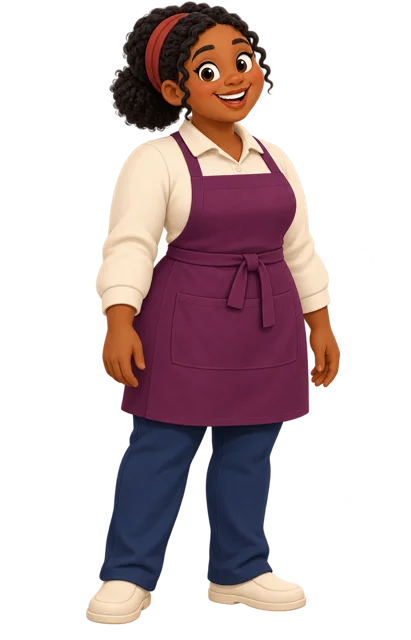
MairiPlans tomorrow’s baking at her café.Meet Mairi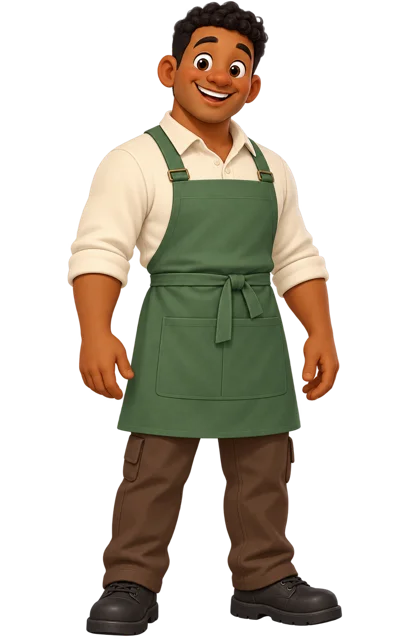 ThomasRuns T Stephens, the greengrocer, and asks which day she’s planning for.Meet Thomas
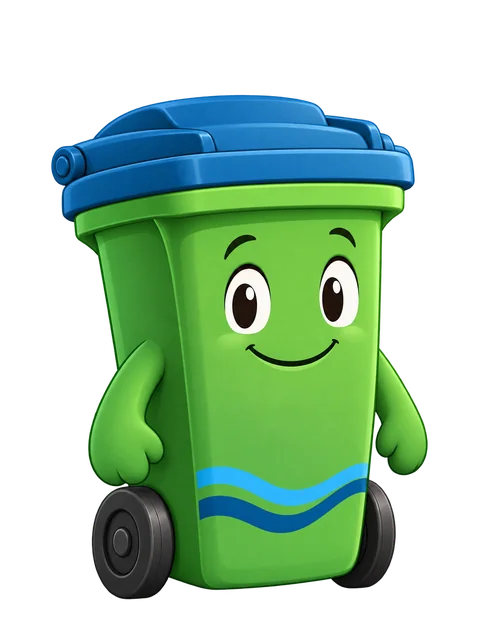 BuddySpots the spare tray at closing time.Meet Buddy
The story
One more tray
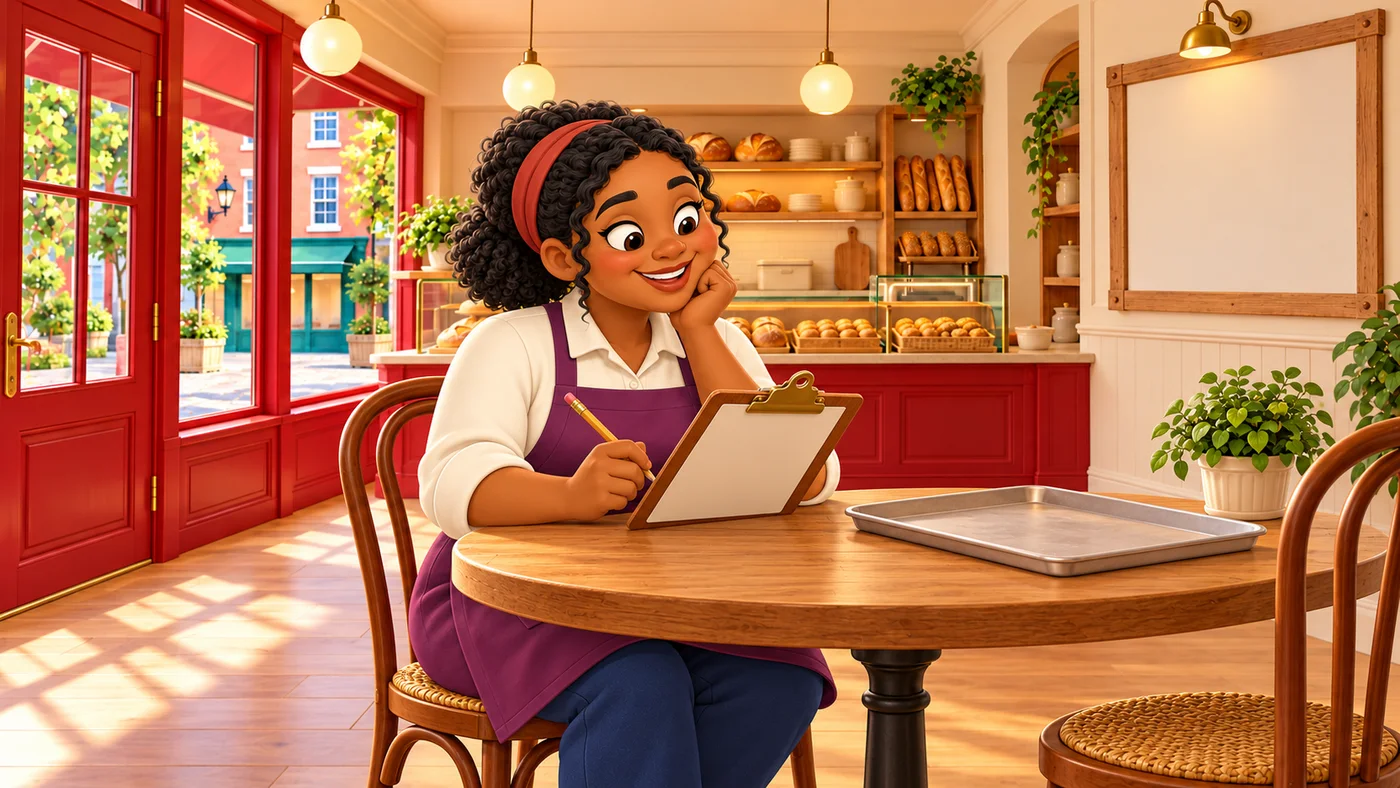
Mairi sat at a café table, planning tomorrow’s baking. She wanted enough bread for her customers, without rows of unsold loaves at closing time.
Her pencil paused above the clipboard. A clean spare tray lay beside her.
“One more tray, to be sure?” she wondered.
A plan grows bigger
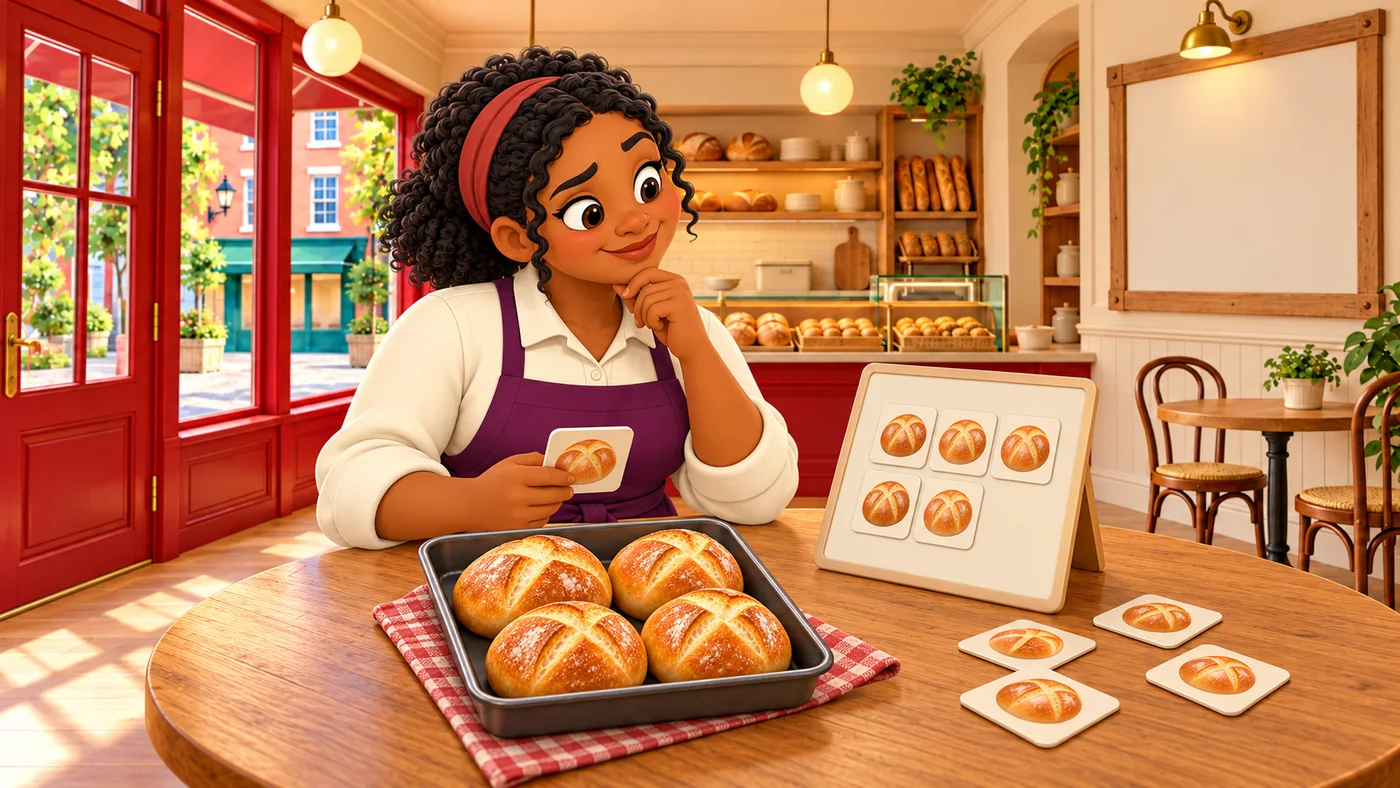
Mairi moved bread pictures around her planning board. The real bread beside her was from today’s baking. The pictures were for tomorrow.
She thought about the busiest day last week and added another batch to the plan.
Then she looked again.
“Tomorrow’s beginning to look rather crowded.”
Thomas asks which day
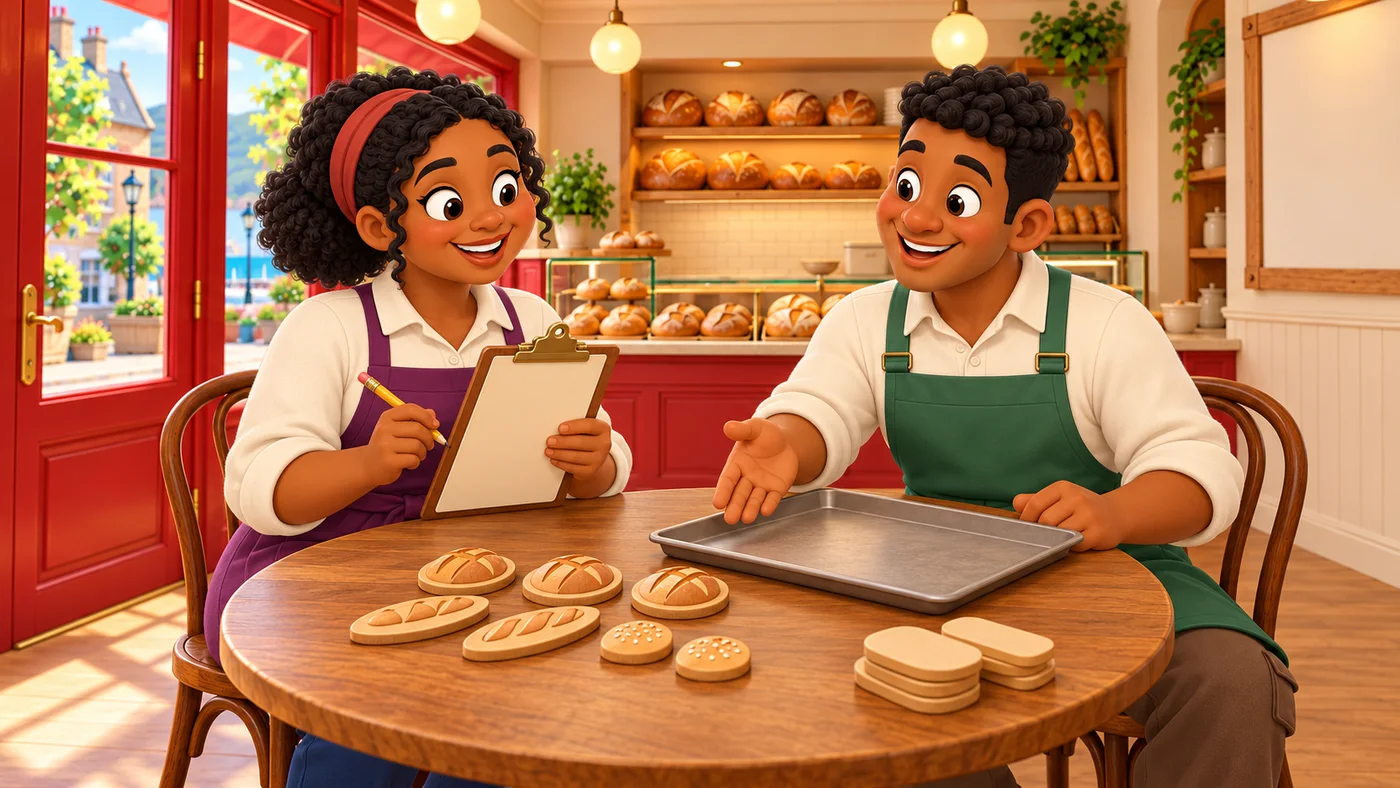
Thomas stopped by from T Stephens. He sat down beside Mairi and the wooden bread counters.
“Are you planning for another busy day?” he asked.
“An ordinary one,” said Mairi. “I’ve used my busiest-day list.”
Together they checked her recent sales notes and tomorrow’s orders. Mairi moved some counters aside and wrote a smaller bake.
“Let’s plan what we need before we plan what goes in the bin,” she said.
Bread already here
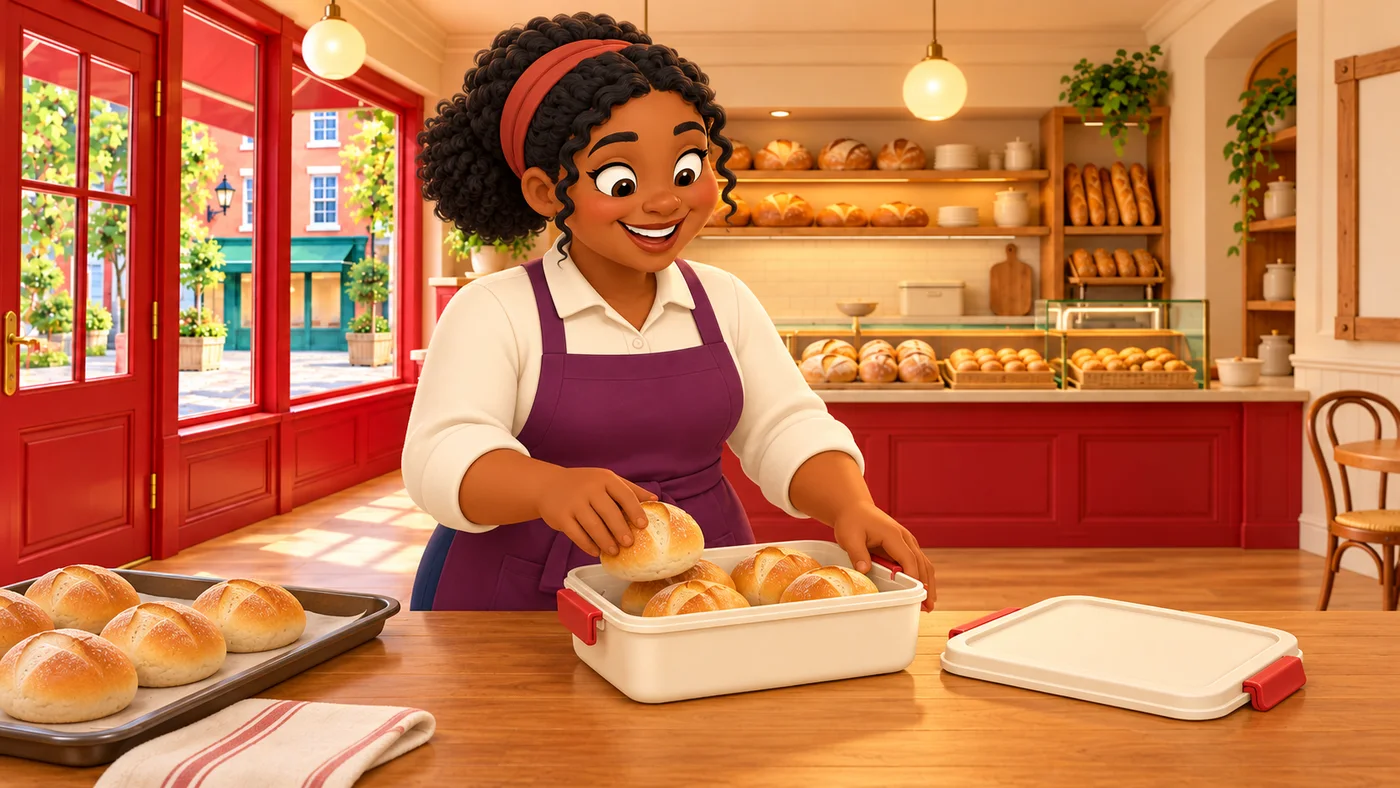
Later, Mairi checked today’s unsold rolls and packed the ones suitable for keeping. She closed the tub and followed the café’s storage rules.
“These belong on tomorrow’s list too,” she said. “Otherwise I’ll bake their replacements before we’ve used them.”
She added the saved rolls to her notes. The new baking list grew shorter again.
Two separate places
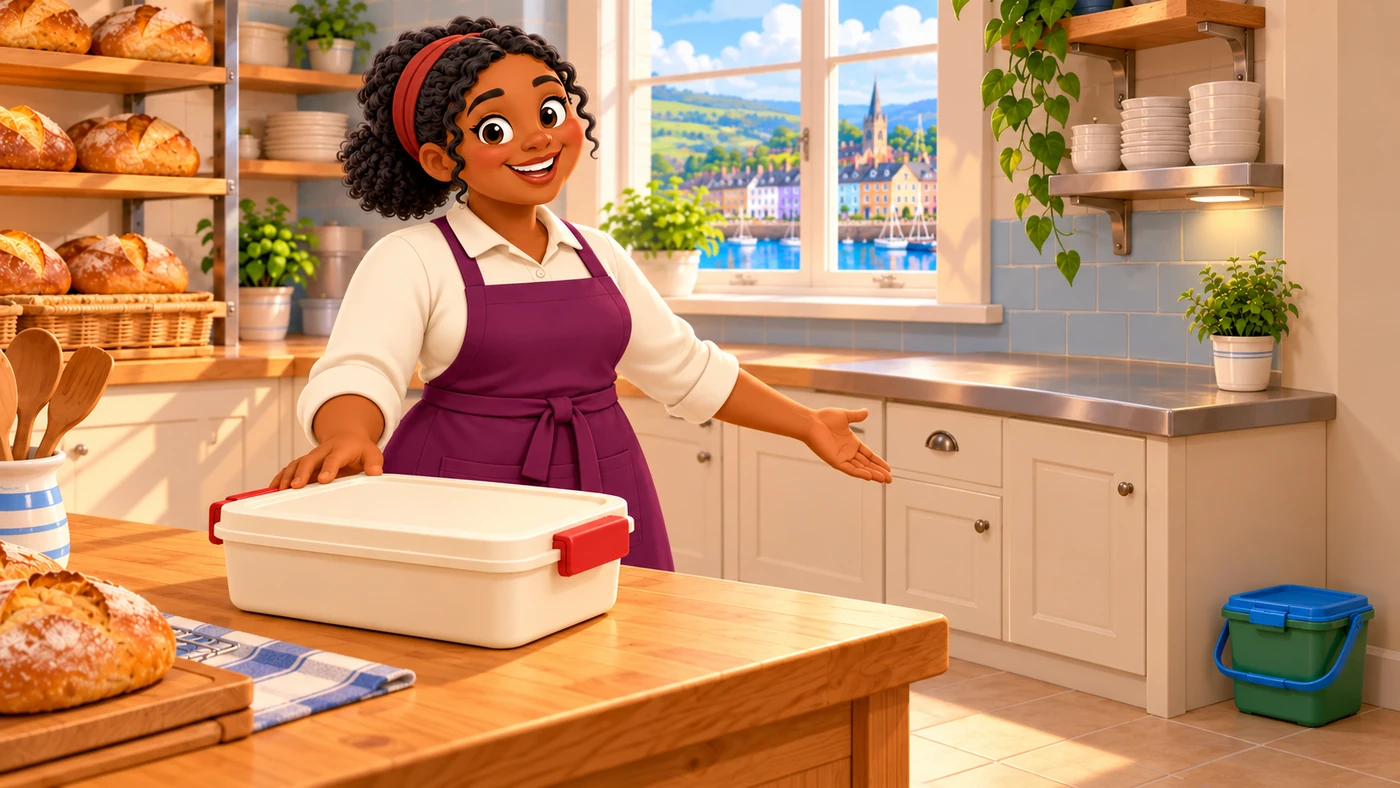
The saved bread stayed in its closed tub, ready for the café’s planned use.
The few unavoidable preparation scraps went into the separate, lidded food-waste caddy. Mairi followed the café’s collection instructions.
“Good food is for eating,” she said. “The caddy only gets the scraps our collection accepts.”
A day off
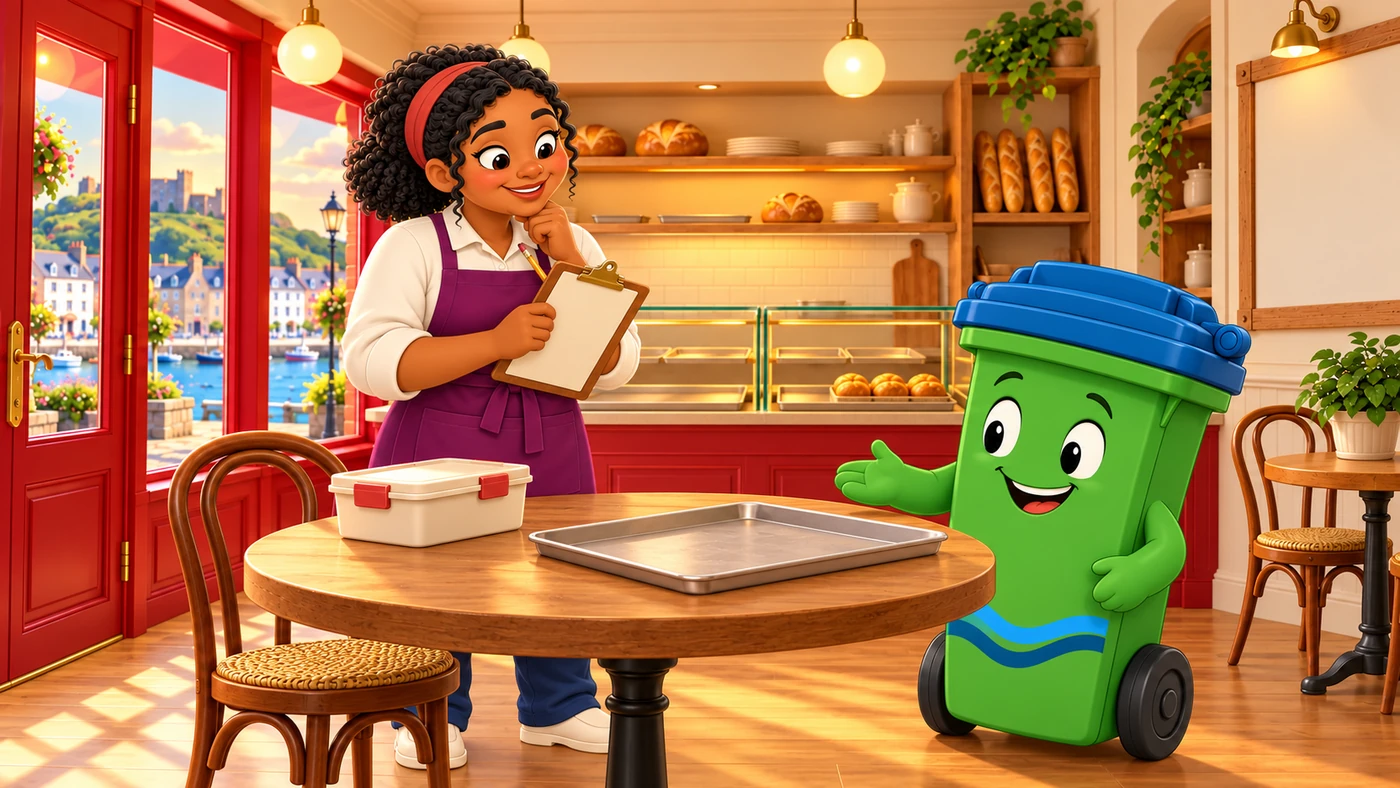
The following day, Mairi baked the smaller batch, used the safely stored rolls as planned and served her customers.
At closing time, she had less bread left to keep. She noted what sold, ready for the next plan.
Buddy arrived as she was finishing.
“Still a little good bread to save,” said Mairi. “And a better idea of tomorrow.”
Buddy pointed to the clean spare tray.
“And this one?”
“Having a day off,” said Mairi.
Talk about the story
- What was Mairi worried about?
- Why did Thomas ask which day she was planning for?
- How did bread already in the café affect the new baking list?
- What changed the following day?
- Why was the spare tray having a day off?
Try one small plan
With a grown-up, talk through one meal before shopping or preparing food. Check what is already available and who will be eating. Drawing, pointing or talking is enough. No purchase, printer, baking equipment or food-waste collection is needed. Adults decide what food is safe to use and how to store it.
For grown-ups
The story shows checking demand, using suitable food you already have and reviewing a plan. Food safety comes first: a lidded tub alone doesn’t make food safe to keep, so follow food-storage guidance and packaging instructions. Food businesses have their own food safety and collection arrangements. At home, follow your council’s current instructions for the scraps it accepts. Children don’t inspect or handle waste as part of this activity.
Draft: the revised story of 21 October 2026. The words and pictures are not yet reviewed by an educator, and the story has not yet been read aloud with children.
The real-life bit
The best food waste is food that never becomes waste. Planning how much you need, and counting the good food you already have, comes first. At home, your council’s current instructions say which scraps its food caddy takes. Gullbrae is made up. Your council’s own rules are the ones to follow.