
Learning pack · food waste
Where do the peelings go?
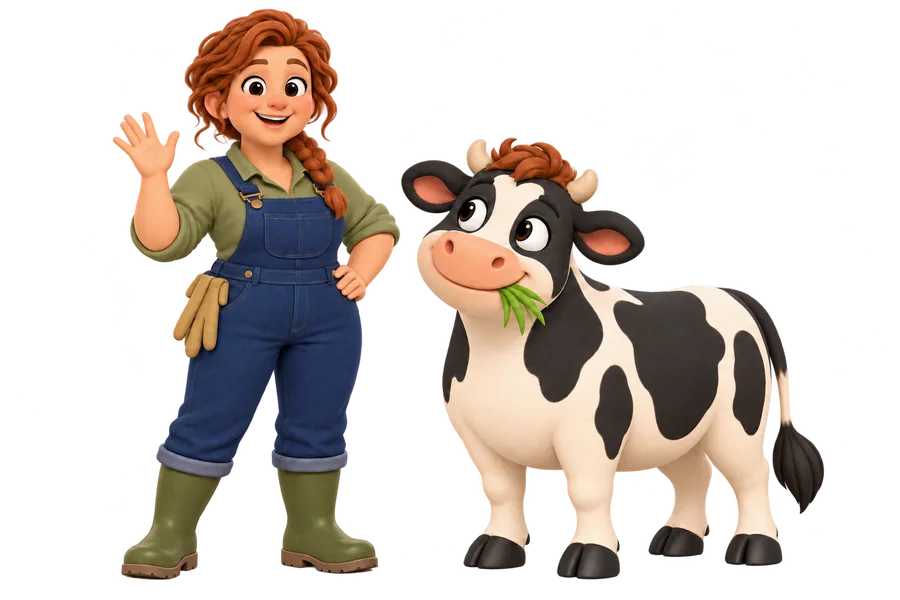
Learning aim: save good food first, then know that food scraps can make energy and fertiliser, and that Hamish the cow eats grass, not scraps.
- Level
- About 5 to 7 with an adult, or 8 to 11
- Time
- About 45 to 60 minutes in class (to be confirmed by an educator trial)
- You need
- Printer, pencils, scissors for the cards
- Checked
- Not yet reviewed
Download
Home pack
Three pages: the four-picture story, two activities and the leftover lunch challenge, then answers and notes for the grown-up.
Download home pack (PDF, 2.3 MB)School pack
Ten pages: teacher notes, a lesson plan, a two-page readers’ theatre script, seven picture cards to put the story in order, sorting cards, a quiz, answers, a take-home sheet about your own council’s bins, and a fact sheet.
Download school pack (PDF, 3.3 MB)Prints in colour or black and white. No email needed. Draft version 4.0, 21 October 2026, with the same words and pictures as the revised story, and Eddie’s Scots checked by a fluent speaker. Waiting for a read-aloud with children, and educator and fact review.
Coming later: setting the quiz as a class task.
Goes with
Where teachers can use it
- England: Year 5 science, where some changes make new materials
- Scotland: sciences (Planet Earth and Materials) and Learning for Sustainability
- Schools running an Eco-Schools waste topic
These are suggestions, not a claim that the pack covers a curriculum objective.
Before you start
Gullbrae is a made-up town and this is one example route. Some councils compost food waste instead, and not every area collects it yet. Check your own council. Activities use pictures only: no real food scraps or bins.
Sources: GOV.UK, anaerobic digestion and the BinDayBuddy source list.